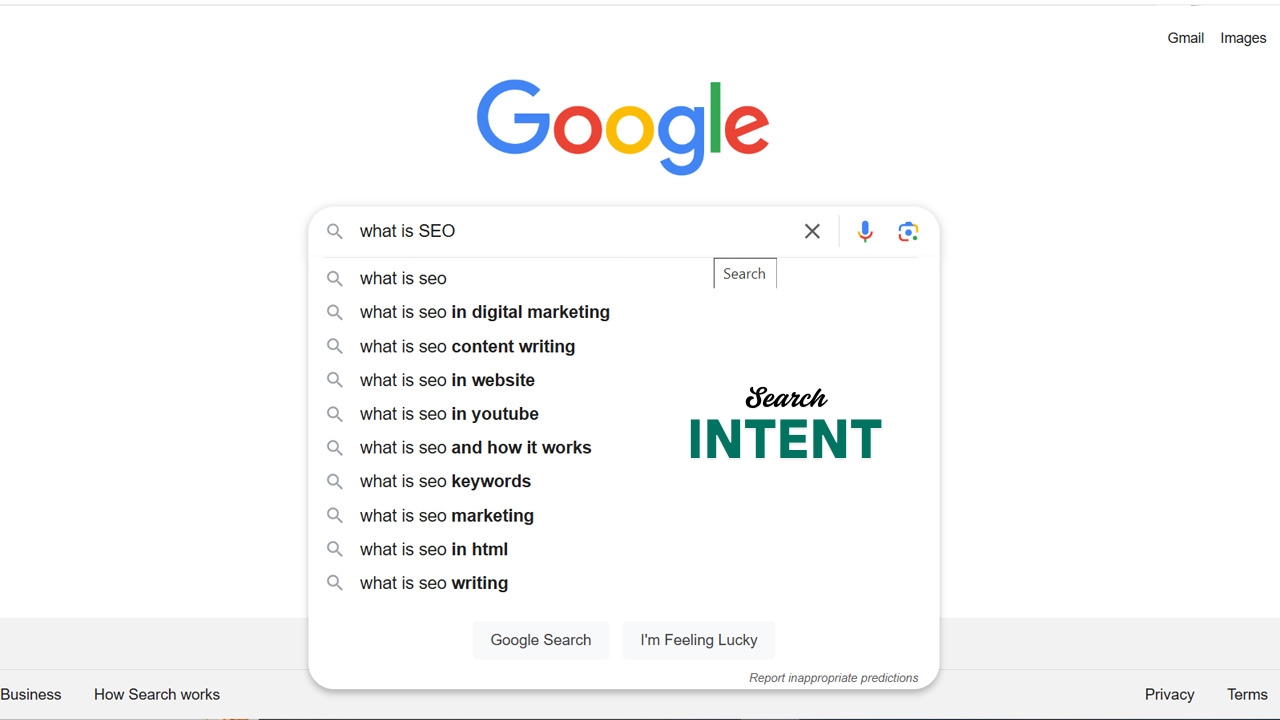
Ever Googled something and got exactly what you were looking for in the top result? That's because Google actually does a great job of understanding what humans really want when they search. And that, my friend, is called search intent.
Briefly, search intent, sometimes referred to as user intent is exactly what a user intends to acquire through searching. Do they attempt to discover something to learn? Find a website? Buy something? Compare products before buying? Google tries to figure this out and show the best results accordingly.
And guess what? Google’s gotten really good at it. Thanks to AI and machine learning (think RankBrain and BERT), Google doesn’t just look at keywords anymore—it looks at meaning. That’s why old-school SEO tricks like keyword stuffing don’t work anymore. Instead, you’ve got to align your content with what users actually want.
The 4 Main Types of Search Intent (And How to Optimize for Them)
Alright, let’s talk about the four main types of search intent.1. Informational Intent (People Want Answers)
These are queries when individuals simply want to know something. Such as "how to," "why," "what is," or "tips."Examples:
● "What are some benefits of intermittent fasting?"● "History of artificial intelligence"
How to Optimize for This:
● Create in-depth, well-researched blog content or tutorials.● Optimize for featured snippets (those answer boxes on top of Google).
● Optimize so that it's easy to scan using subheadings and bullet points.
● Target long-tail keywords (for example, "best free ways to learn SEO" rather than simply "SEO").
2. Navigational Intent (People Know Where They Want to Go)
Here, people already know what they’re looking for, they just need a shortcut. Searches are usually brand-specific.Examples:
● “Netflix login”● “Nike official store”
How to Optimize for This:
● Write clear and compelling meta titles and descriptions.● Improve internal linking so users can easily find what they need.
● Use schema markup to make your search results stand out.
● Keep your sitemap updated so Google knows which pages are important.
3. Transactional Intent (People Are Ready to Buy)
This is where the money is! These searches usually include words like “buy,” “discount,” “deals,” “cheap,” or “coupon.”Examples:
● “Buy wireless headphones online”● “Best price for iPhone 15”
How to Optimize for This:
● Use strong CTAs (Call-To-Actions) like “Buy Now” or “Get 20% Off Today.”● Add structured data so your product price, ratings, and availability show up in search results.
● Run Google Ads campaigns to reach high-intent buyers.
● Ensure a smooth checkout process so people don’t abandon their carts.
4. Commercial Investigation Intent (People Are Researching Before Buying)
This is when people are in the decision-making phase before making a final choice.Examples:
● “Best smartphones under $500”● “iPhone vs. Samsung: Which one is better?”
How to Optimize for This:
● Write comparison articles, top-10 lists, and detailed product reviews.● Add expert opinions and user testimonials to build credibility.
● Optimize for Google’s ‘People Also Ask’ feature by answering common questions.
● If relevant, include affiliate links to monetize your content.
 Call Now
 Chat Now
 Enquiry Now!